Drainage that works as a system
Plan connected channels, culverts, outfalls and water-management works around whole catchments—not isolated construction packages.
Water resilience · Ghana
The African Resilience and Water Consortium is developing a coordinated approach to Ghana's flood challenge: connecting field observations, drainage infrastructure, nature and long-term stewardship.
Built for the long term.
From evidence to operation.
A catchment-led view
of urban resilience
The challenge
Flooding is not a single blocked drain. It is a connected challenge of land, water, infrastructure, information and maintenance. The response must be connected too.
A whole-system response
ARWC's proposition brings physical works, natural systems, digital intelligence and operational capacity into a shared delivery framework.
Plan connected channels, culverts, outfalls and water-management works around whole catchments—not isolated construction packages.
Use wetlands, retention, restored waterways and permeable landscapes to slow, store and safely release stormwater.
Bring flood mapping, field observations, modelling and controlled data into one dependable basis for design and investment.
Connect monitoring and early warning with clear operating plans, maintenance capacity and community safeguards.
From proposal to performance
Strong infrastructure starts before construction and continues long after handover. ARWC proposes a transparent, evidence-led pathway for every intervention.
Discuss a technical review ↗Map flood pathways, assets, communities and existing drainage.
Select interventions through technical, social and environmental review.
Develop engineered, nature-based and digital measures as one system.
Build under competent-authority approvals, safeguards and assurance.
Monitor performance, preserve assets and learn from every flood event.
Built on public trust
Our current work. Project Phoenix follows an evidence-led approach to programme preparation and infrastructure delivery. See the proposed pathway and dated public updates. Exploratory discussions do not establish a partnership or funding award.
ARWC's materials and infrastructure concepts are proposals for technical and institutional review. They do not represent government adoption, project approval or a commitment of public funds.
Any pilot or works programme would require competent-authority sponsorship, feasibility and engineering design, safeguards, land and permitting decisions, financing, procurement, construction assurance, and operations and maintenance arrangements.
Equipment procurement and field deployment require explicit authorisation through the relevant readiness and approval processes. Weather forecasts and public warnings remain the responsibility of the competent Ghanaian authorities.
Project Phoenix · Stay connected
Explore the proposed pathway and dated updates as they are cleared for publication.
02 · CollaborationTell us how your institution, expertise or community perspective could contribute.
03 · PublicationsFind reports and supporting publications when they are available for public release.
04 / Leadership
ARWC’s co-founders bring scientific evidence appraisal and Ghana institutional coordination together in one programme-development approach.
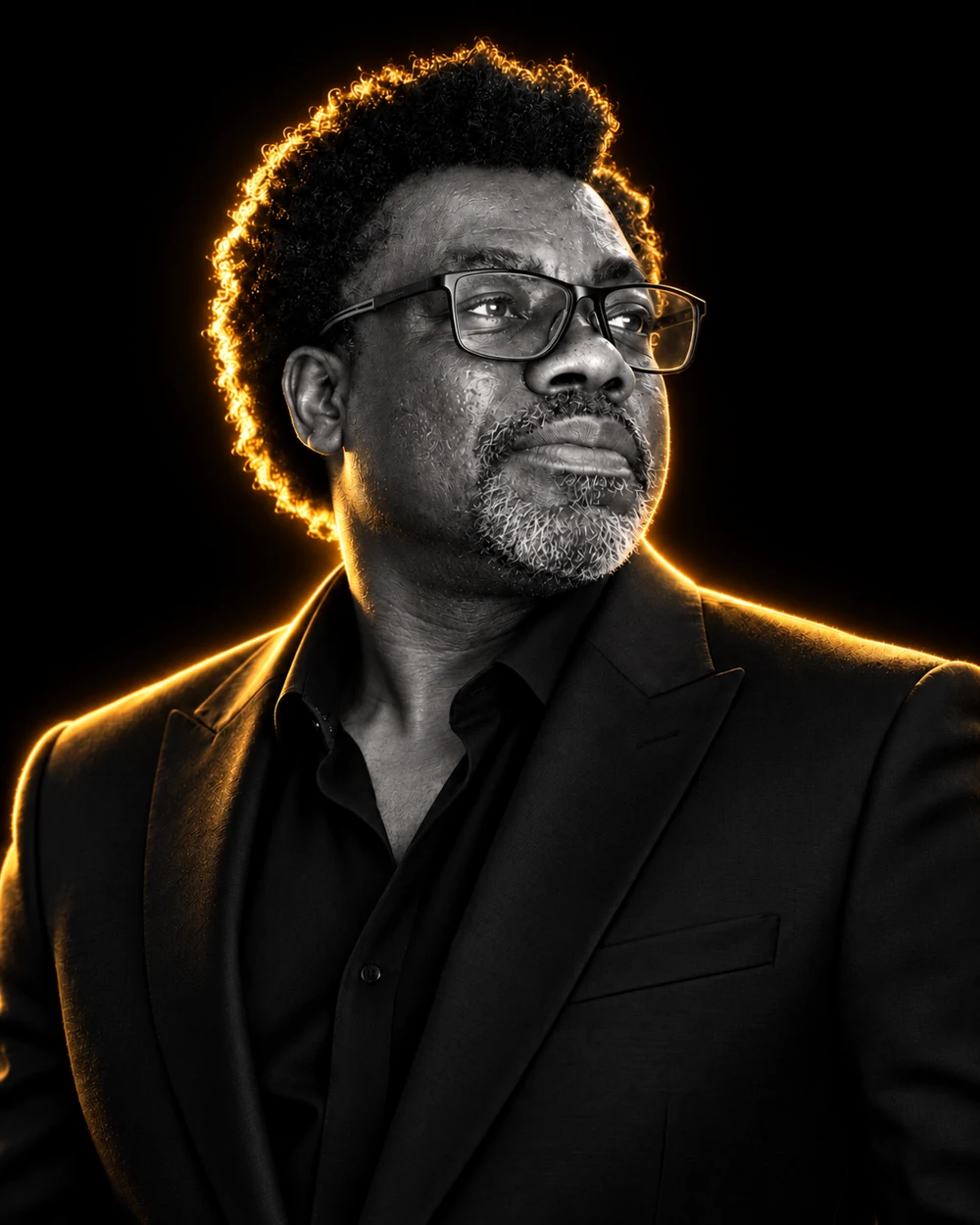
Co-Founder and Co-Director
Kwasi brings a research background to ARWC’s evidence-led programme development. His work focuses on scientific evidence appraisal, research strategy and programme architecture, translating questions and uncertainty into structured project-preparation requirements.
Evidence-led programme development, scientific evidence appraisal, research strategy, programme architecture, and institutional and project-preparation coordination.

Co-Founder and Co-Director
Sylvia coordinates ARWC’s Ghana institutional interface and local programme follow-through. She supports registration and NPO processes, stakeholder and MMDA engagement, and practical coordination as the consortium develops its flood-resilience programme.
Ghana institutional interface, registration and NPO follow-through, stakeholder and metropolitan, municipal and district assembly (MMDA) engagement, and local programme coordination.
Work with ARWC
We welcome structured conversations with public authorities, technical institutions, communities, researchers and delivery partners.
Email ARWC ↗info@arwcghana.org · Ghana coordination and technical enquiriesFor corporate registration correspondence: registration@arwcghana.orgPlease do not email identity documents, bank details or sensitive research data without first agreeing a secure transfer route. This site has no enquiry form or advertising trackers added by ARWC; our hosting provider may process technical connection data.